In figure skating, the World Championships are often a coronation. The champions arrive, the favorites deliver, and the medals fall into place as expected.
But not this year.
When the blades hit the ice at the 2026 World Figure Skating Championships in Prague, the sport will find itself in unfamiliar territory. Some of its brightest stars will not be there. The reigning Olympic champions and several headline names have stepped aside, leaving behind a competition that suddenly feels less predictable—and far more dangerous.

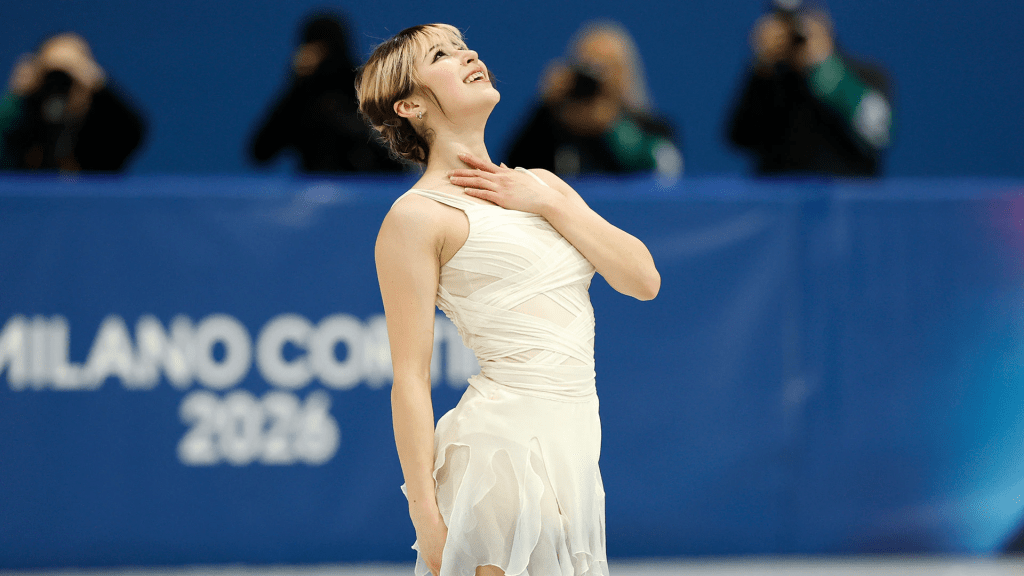
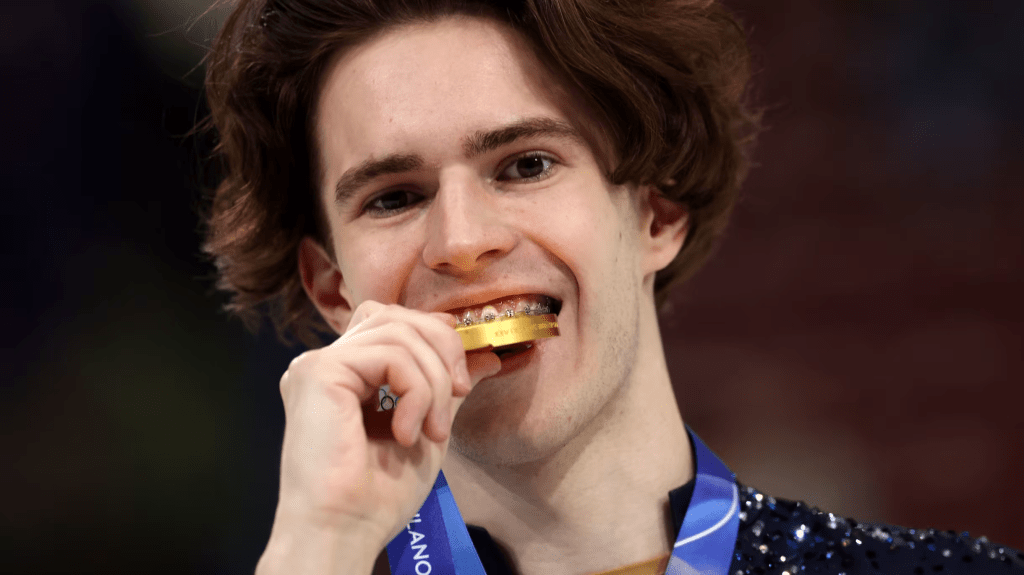
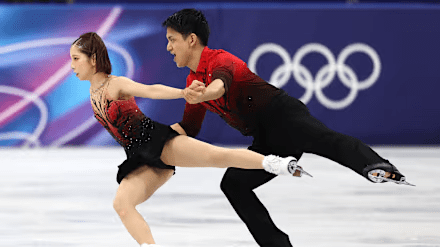
Olympic gold medalist Alysa Liu will not defend her momentum on the world stage. Men’s Olympic champion Mikhail Shaidorov has also withdrawn. In ice dance, the iconic American team of Madison Chock and Evan Bates will not appear. Even the Olympic pairs champions, Riku Miura and Ryuichi Kihara, are absent.
The result?
A championship that feels less like a predictable tournament and more like a storm gathering over the ice.
“This is the kind of Worlds where careers are made,” one international coach said recently. “When the giants step aside, the brave step forward.”
And Prague may be about to crown a completely new generation of heroes.
Men’s Event: The Quad God’s Kingdom
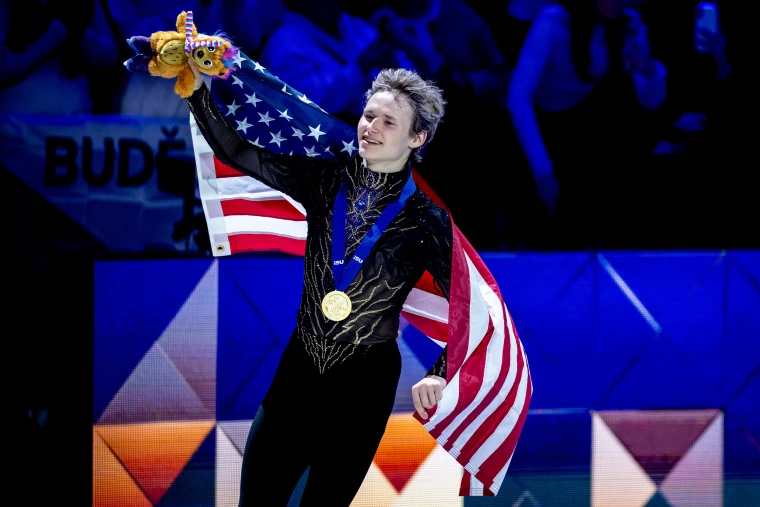
Even with the chaos surrounding the event, one name still towers above the field: Ilia Malinin.
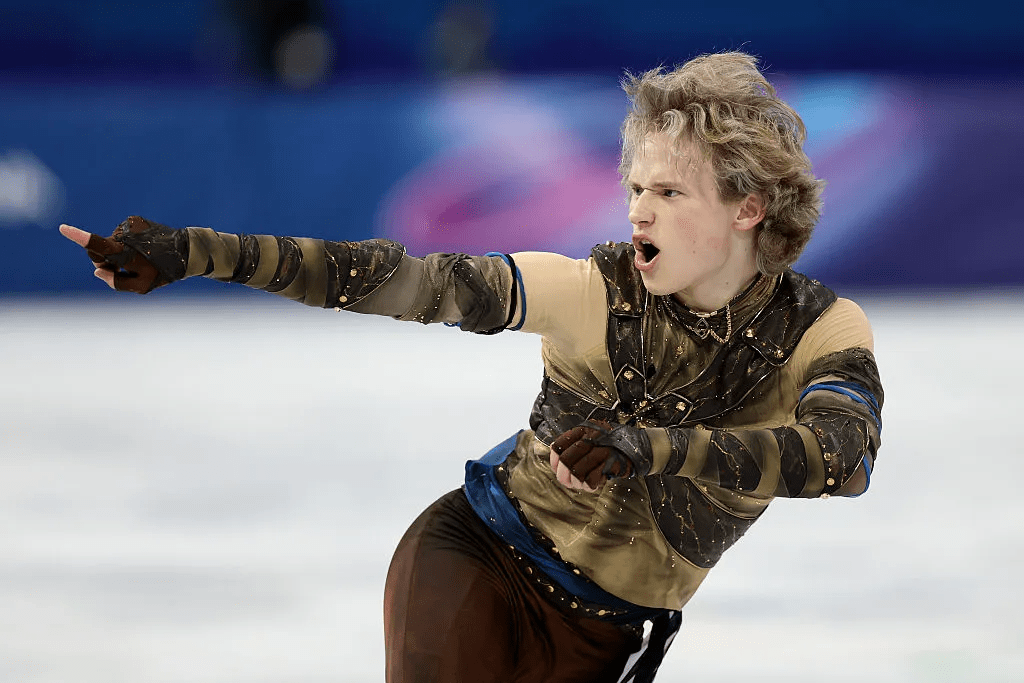
Known across the skating world as the “Quad God,” Malinin has rewritten the technical limits of men’s skating. The American superstar has landed jumps many believed were impossible—including the mythical quadruple Axel.
With Shaidorov out of the competition, Malinin arrives in Prague as the man everyone is chasing.
But championships are not won on reputation.
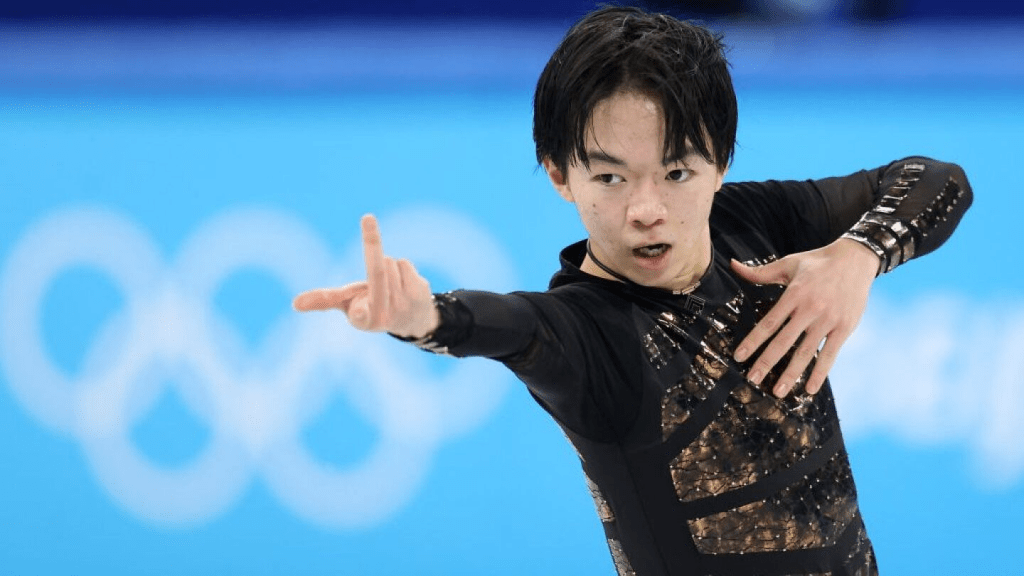
Japan’s elegant technician Yuma Kagiyama is waiting in the wings, known for skating that blends technical precision with emotional artistry.
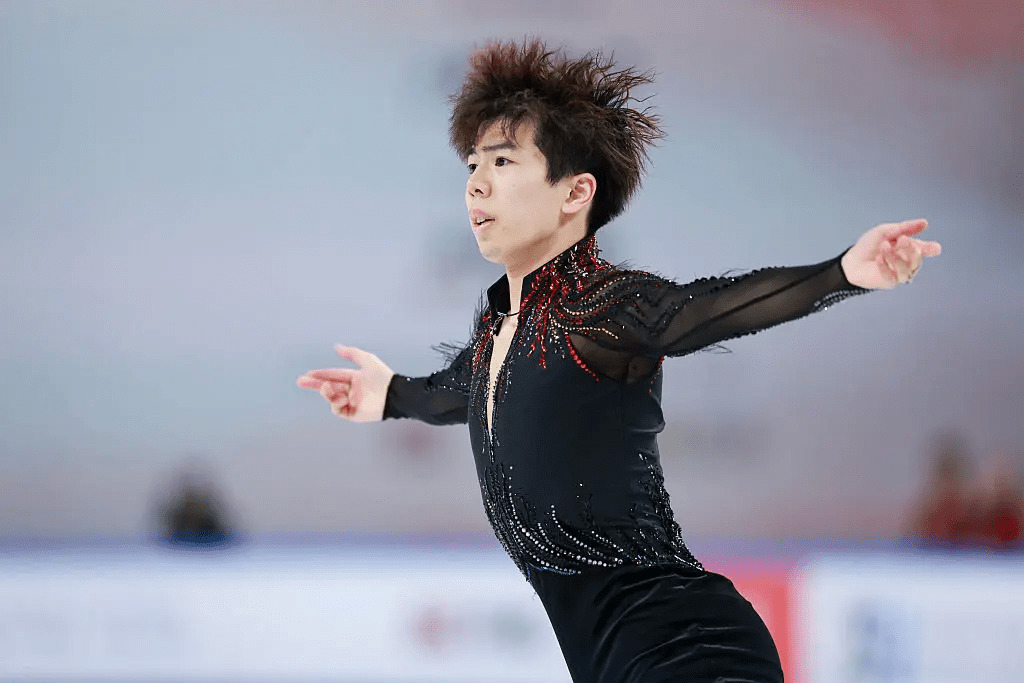
Behind him lurks the explosive jumper Shun Sato, a skater capable of launching enough quads to shake up the podium.
As one commentator put it during the Grand Prix season:
“Malinin can break the scoreboard—but the moment he makes one mistake, the door opens for everyone.”
Still, every fan knows the truth: the men’s event can turn in a single heartbeat.
Women’s Event: The Throne Without a Queen
The absence of Alysa Liu may be the most dramatic twist of the championship.
After capturing Olympic gold and electrifying fans around the world, Liu’s decision to withdraw has left the women’s event without its reigning superstar.
Suddenly, the throne is empty.
Waiting in the wings are two American contenders with very different styles.
Amber Glenn brings explosive power and fearless jumping ability. When she is on, her skating radiates confidence.
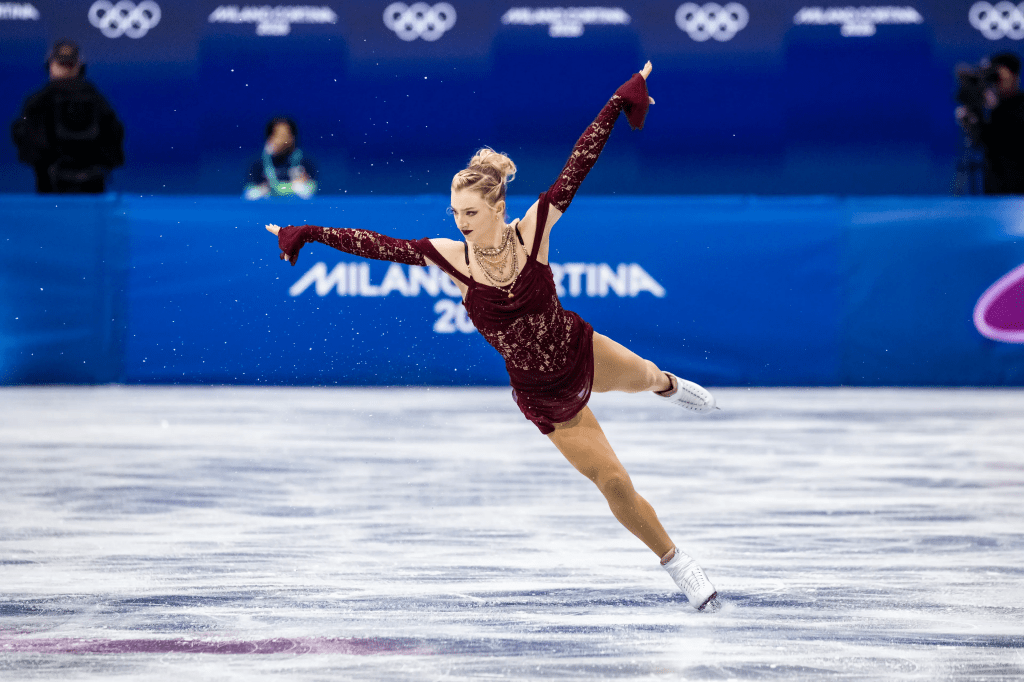
Meanwhile Isabeau Levito offers something completely different: delicate artistry, musical interpretation, and balletic elegance that can captivate judges.
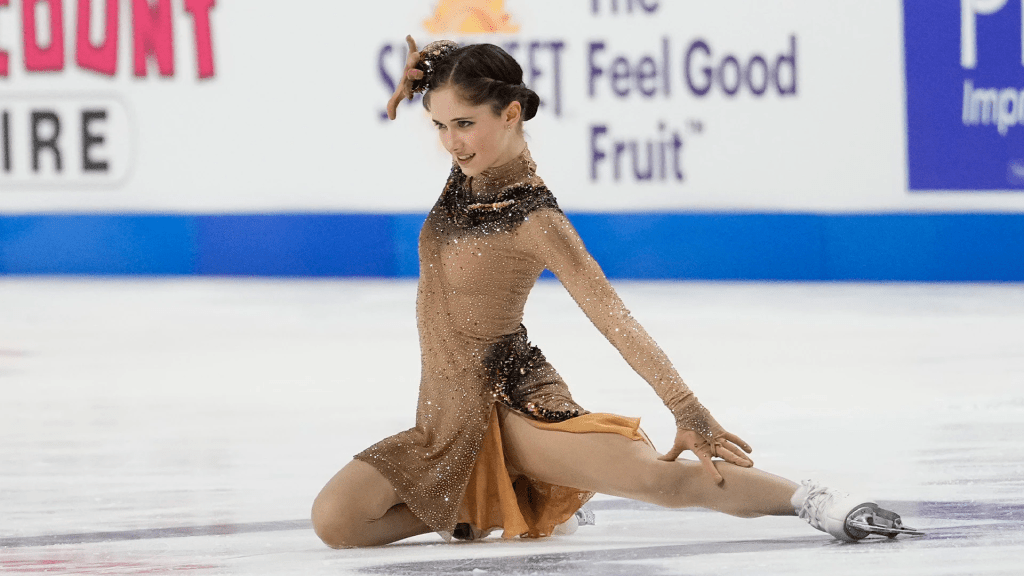
But the biggest threat may come from Japan.
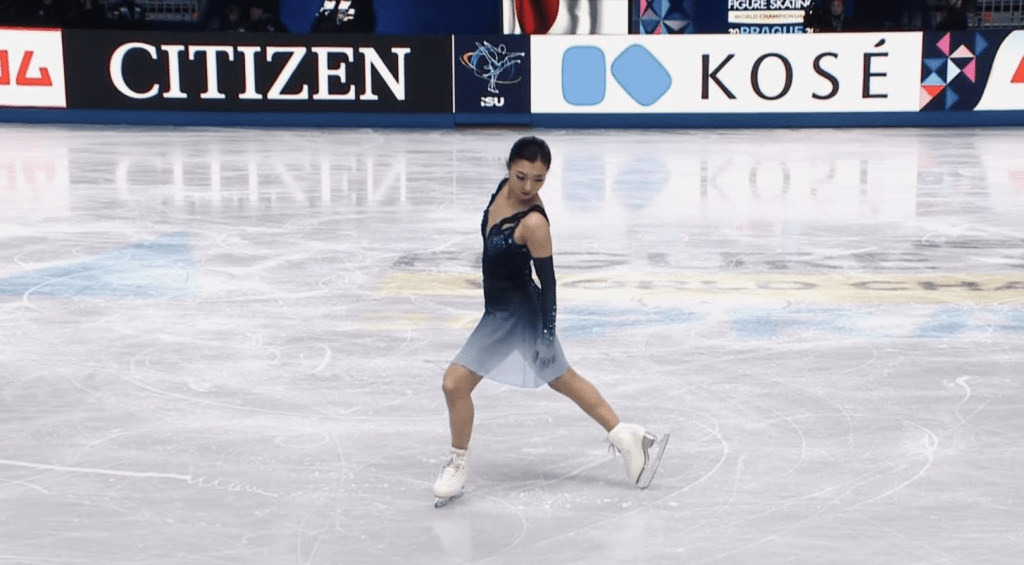
Veteran champion Kaori Sakamoto has built a career on consistency and power. With Liu absent, many insiders believe the moment could belong to her.
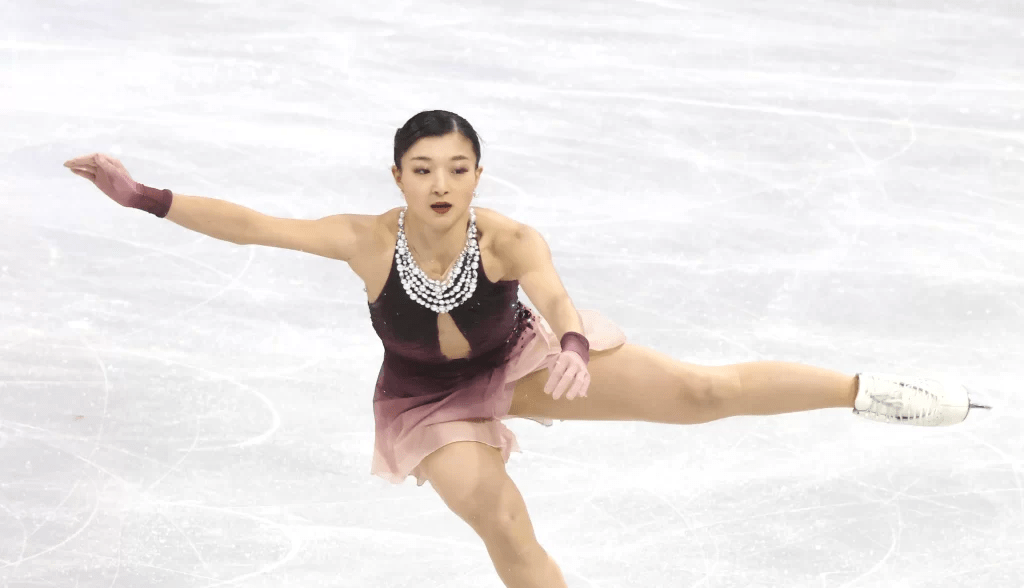
A former world medalist recently summarized the situation perfectly:
“Without Alysa, the women’s event is a psychological battle. Whoever keeps their nerves together will win.”
And in a discipline where pressure can break even the strongest skater, the champion may simply be the last one standing.
Pairs: A Power Vacuum on the Ice
Few teams have dominated pairs skating like Riku Miura and Ryuichi Kihara.
Their Olympic triumph elevated them into legends of the discipline. Their speed, lifts, and emotional chemistry captivated audiences worldwide.
But Prague will unfold without them.
That absence creates a massive opening for ambitious challengers.
Among them are the rising American duo Ellie Kam and Danny O’Shea, a team that has steadily climbed the ranks with strong technical elements and growing confidence.

European teams are also eager to seize the opportunity. For many of them, Prague represents the most realistic path to a world title they may ever see.
One veteran pairs coach described the situation bluntly:
“When the Olympic champions step away, everyone suddenly believes the gold medal is possible.”
In pairs skating, a single fall can transform the entire podium.
Ice Dance: A Ballroom Without Its Icons
For years, the rhythm of ice dance was defined by the mesmerizing performances of Madison Chock and Evan Bates.
Their theatrical style, daring choreography, and Olympic achievements made them one of the most recognizable teams in the sport.
But they will not step onto the ice in Prague.
That leaves the door open for new leaders of the dance floor.
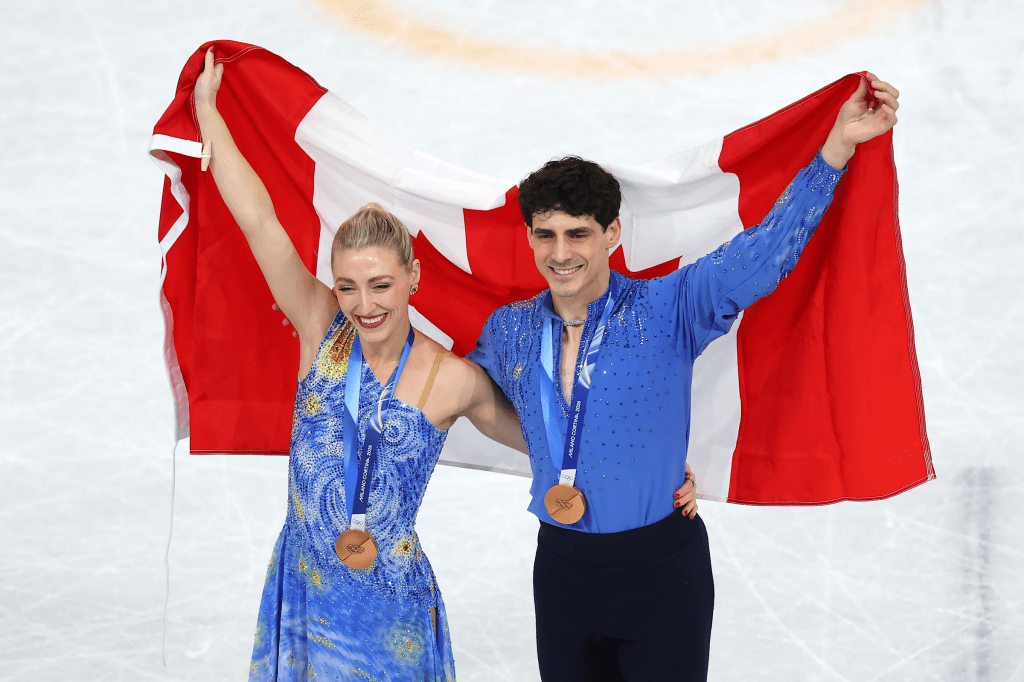
Among the strongest contenders are Canada’s dramatic performers Piper Gilles and Paul Poirier, whose programs often blur the line between sport and theater.
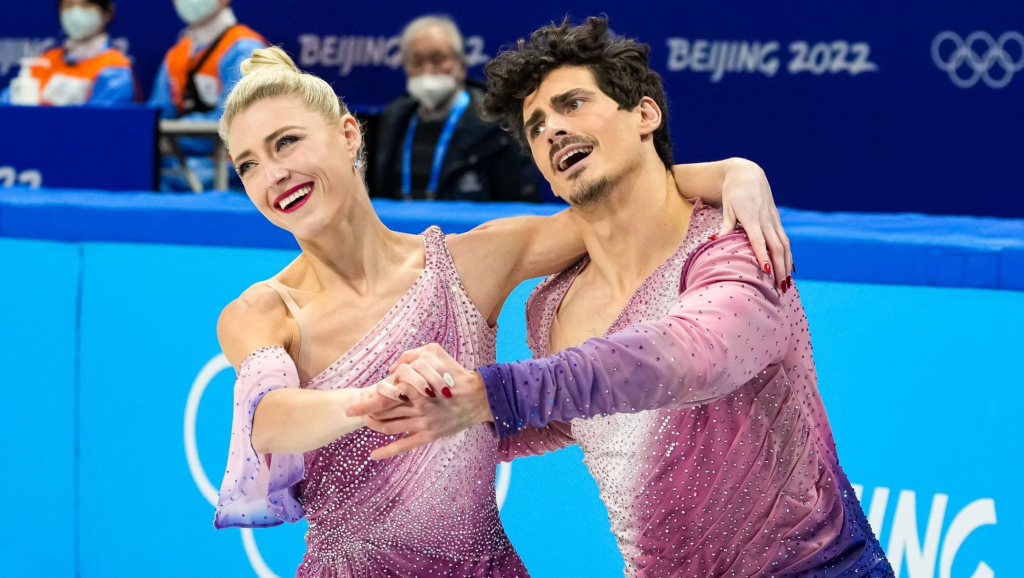
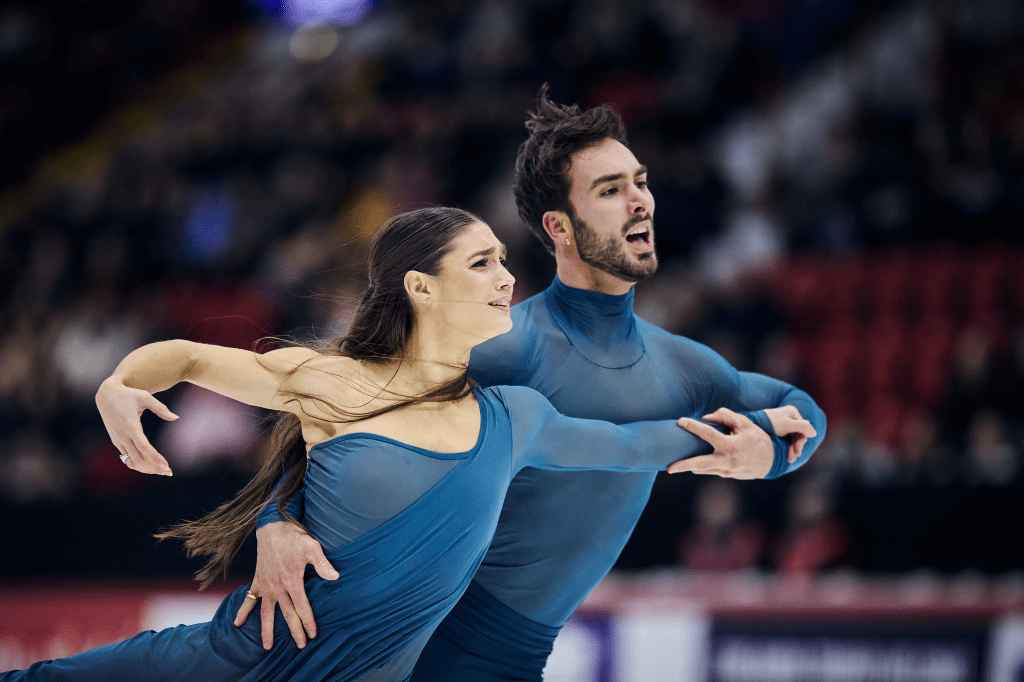
But the team many believe could dominate the event is the elegant duo of Laurence Fournier Beaudry and Guillaume Cizeron, who won gold at Milano-Cortina and whose refined style and emotional storytelling have made them fan favorites.
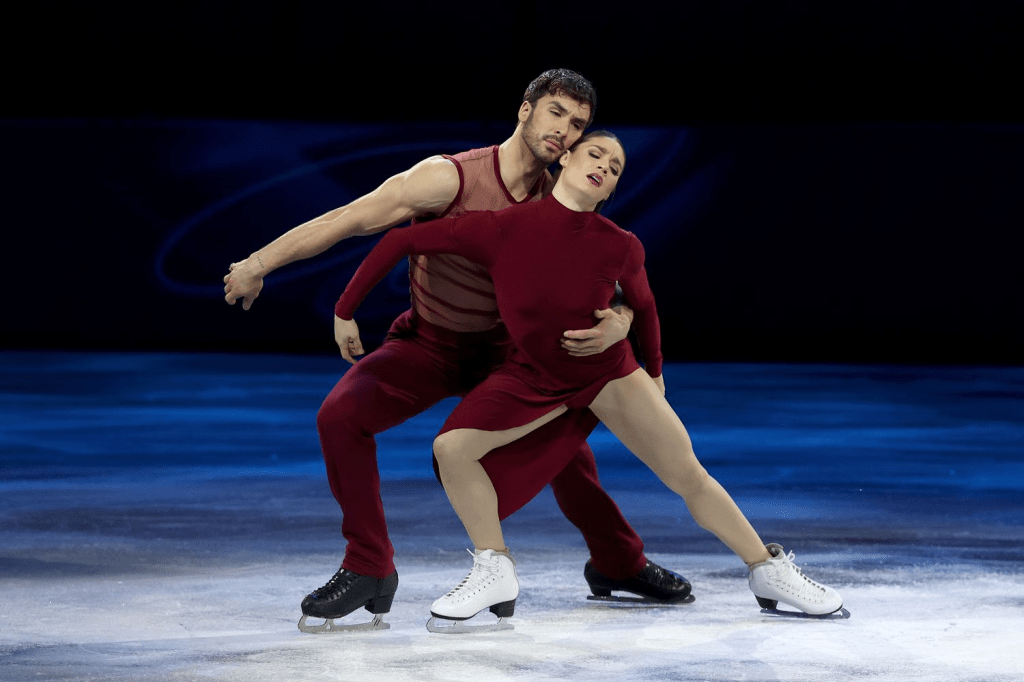
As one judge once remarked:
“Ice dance isn’t just skating—it’s storytelling on ice. The teams that make you feel something are the ones who win.”
And in ice dance, the smallest detail—a glance, a step, a perfectly timed lift—can decide everything.
The Championship That Could Change the Sport
For fans, the 2026 World Figure Skating Championships may become one of the most memorable events in recent memory—not because of who is there, but because of who is not.
The absence of several superstars has turned Prague into a stage for transformation.
Young skaters sense opportunity.
Veterans feel the urgency of one more chance.
Entire federations see a path to glory.
When the arena lights dim and the first skater glides onto the ice, the story of this championship will begin to unfold.
By the final bow, Prague may not just crown champions.
It may reveal the future of figure skating itself.

 Blade Buzz
Leave a comment